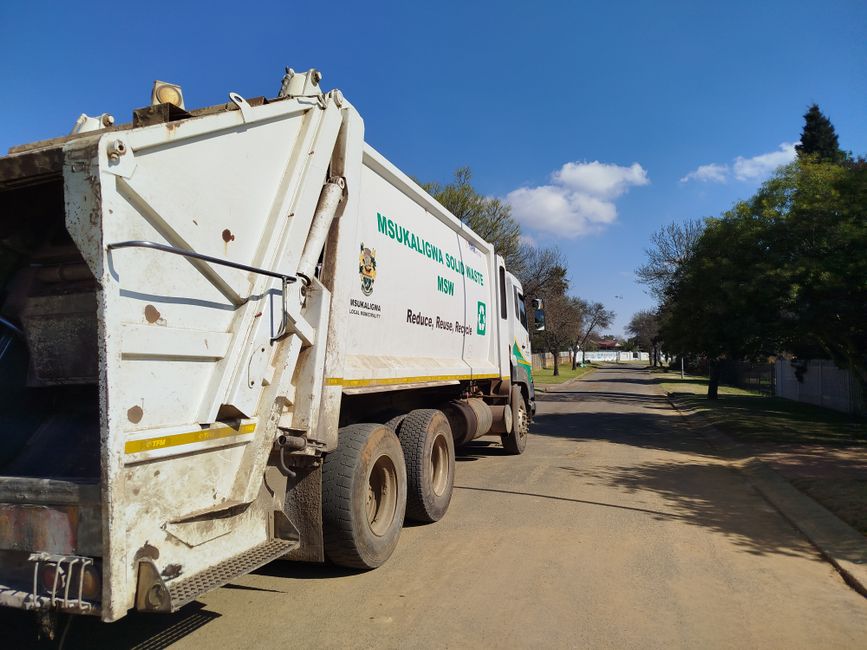
Two Rivers Shopping Centre rubbish collection options: a practical guide for businesses, managers, and busy teams
If you are weighing up Two Rivers Shopping Centre rubbish collection options, the real question is usually not just "how do we get rid of waste?" It is more like: what is reliable, what keeps the site tidy, what suits the volume we produce, and what will not create hassle for staff or customers? Fair enough. In a place like Two Rivers Shopping Centre, rubbish builds up quickly, and even a small delay can become a messy corner, a smell by the service area, or a bin store that looks tired by lunchtime.
This guide breaks down the main options in plain English, from scheduled collections to one-off clearances, and explains how to choose the right setup for your operation. You will also find a simple step-by-step approach, a comparison table, common mistakes, and a checklist you can use before you book anything. If you want a clean, calm, and practical solution, you are in the right place.
Table of Contents
- Why Two Rivers Shopping Centre rubbish collection options Matters
- How Two Rivers Shopping Centre rubbish collection options Works
- Key Benefits and Practical Advantages
- Who This Is For and When It Makes Sense
- Step-by-Step Guidance
- Expert Tips for Better Results
- Common Mistakes to Avoid
- Tools, Resources and Recommendations
- Law, Compliance, Standards, or Best Practice
- Options, Methods, or Comparison Table
- Case Study or Real-World Example
- Practical Checklist
- Conclusion
- Frequently Asked Questions
Why Two Rivers Shopping Centre rubbish collection options Matters
Shopping centre waste is not the same as domestic waste. It is fuller, heavier, less predictable, and often comes with different streams such as cardboard, packaging, food waste, general rubbish, broken fixtures, and the occasional bulky item that appears with no warning. If a collection system is poor, everybody feels it. Staff spend more time dealing with bins. Managers chase missed pickups. Customers notice mess faster than you think. And once an area starts to look untidy, it tends to snowball. Funny how that works, really.
The point of getting the right rubbish collection arrangement is not only to remove waste. It is to keep the site presentable, reduce disruption, and make day-to-day operations smoother. That matters for retailers, facilities teams, landlords, contractors, and anyone responsible for maintaining shared commercial space. A well-planned system can also support recycling targets and make it easier to separate materials properly, which is a very ordinary but valuable win.
For a busy retail environment, small operational details matter. A collection service that arrives at awkward times can block access. An undersized container can overflow on a busy weekend. A poor sorting system can create extra manual work. The best rubbish collection option is the one that quietly does its job without becoming everyone's problem.
How Two Rivers Shopping Centre rubbish collection options Works
Most rubbish collection setups for a shopping centre follow the same broad pattern: waste is gathered at source, moved to a central storage point or loading area, and then removed by a provider using the agreed method. The details vary depending on waste type, volume, access, and how often collection is needed. Simple enough on paper. In practice, the site layout and operating hours matter just as much as the waste itself.
For example, a small unit with regular packaging waste may need a straightforward scheduled collection. A larger tenancy mix could need separate containers for cardboard and general waste, plus occasional clearance for bulky items. If access is tight or you want to avoid a skip sitting in a busy area, a wait and load option may suit certain jobs better because the waste is removed quickly without a long on-site stay.
Some sites will use a mix of services. That is very normal. A retail manager may arrange routine waste removal for day-to-day rubbish, then book a one-off clearance after a refit, a stockroom tidy-up, or a tenant handover. If you need a broader service for mixed waste from a unit refit or commercial clear-out, commercial skip hire or rubbish removal can be part of the picture, depending on access and how quickly the waste needs to go.
What matters most is matching the collection method to the reality of the site: the size of the waste stream, the frequency of disposal, the type of materials, and whether the area can safely accommodate a container or vehicle. That is the decision most people underestimate at first.
Key Benefits and Practical Advantages
Choosing the right waste collection approach brings benefits that are easy to feel, even if they are not dramatic on a spreadsheet. The bin store smells better. The service yard looks calmer. Staff stop improvising with overfilled sacks. And customers are less likely to walk past a messy back-of-house area and quietly form an opinion. We all do it.
- Cleaner surroundings: regular collection prevents build-up, spillages, and overflow near loading or storage areas.
- Better staff efficiency: when waste is handled properly, teams spend less time moving rubbish around by hand.
- Improved presentation: tidy waste management supports a professional look across the site.
- Safer operations: reduced clutter means lower trip hazards and fewer blocked access routes.
- More flexible planning: you can scale collections up or down for busy periods, tenant changes, or seasonal peaks.
- Stronger recycling habits: separate streams make it easier to recover cardboard, packaging, and other recyclable materials.
There is also a subtle but important operational benefit: good waste arrangements reduce friction between tenants, facilities teams, and contractors. That sounds small. It is not. If the waste system is awkward, people start making their own workarounds, and then the whole thing becomes harder to control. A sensible collection plan removes that daily tension.
Who This Is For and When It Makes Sense
These rubbish collection options are relevant for several types of site users. If you are a store manager, centre facilities lead, landlord representative, or contractor working on a fit-out, you will likely need to think about waste sooner rather than later. Maybe sooner than you wanted, to be fair.
It makes sense to review your options when:
- a unit opens, closes, or changes use
- refurbishment or maintenance works are planned
- rubbish volume has increased and the current setup is no longer enough
- cardboard, packaging, or bulky waste keeps overflowing
- you need better recycling separation
- access is limited and conventional collections are awkward
- you want a one-off clearance rather than an ongoing contract
A practical example: a restaurant unit in a shopping centre may generate food packaging, general waste, and occasional broken fixtures. A clothing retailer, by contrast, may produce more cardboard and packaging but less wet waste. Both need a different setup. Same building, different pattern. That is why a one-size-fits-all approach often falls apart quickly.
It is also worth saying that not every job requires a skip. Sometimes a smaller, faster removal service is the better fit. Sometimes the opposite is true. The right answer depends on the waste stream, the access available, and the timing of the work.
Step-by-Step Guidance
If you are trying to sort out collection for a shopping centre site, a structured approach helps. It avoids last-minute scrambles and makes it easier to compare providers or methods properly.
- Identify the waste type. Separate general rubbish, cardboard, mixed recyclables, food waste, bulky items, and any specialist waste. Do not guess. Have a proper look at what is actually being thrown away.
- Estimate volume and frequency. Think about daily, weekly, and seasonal peaks. A quiet Tuesday can be misleading. Friday afternoon is often the truth.
- Check access. Measure service routes, loading points, height restrictions, and turning space. If access is awkward, that will shape the collection option more than almost anything else.
- Decide whether a container or direct removal is better. A skip may work for longer projects. A wait-and-load or man-and-van style collection may suit fast clearances.
- Consider recycling separation. If cardboard and mixed waste can be kept apart, disposal is usually easier and tidier.
- Review site timing. Think about delivery windows, trading hours, quiet periods, and any restrictions around customer flow.
- Check compliance needs. For commercial waste, you want documentation, safe handling, and a provider that understands proper disposal routes.
- Book the right service level. Do not overbuy if you only need a small clearance, but do not under-specify and create repeat problems either.
- Monitor after the first collection. A good system should feel smooth. If people keep complaining, tweak the setup early.
One small but useful habit: walk the waste route yourself before committing. Stand in the service area and imagine moving a full bag, a broken box, or a heavy appliance through it. You will quickly spot any awkward corners, wet patches, or bottlenecks that looked harmless on paper.
Expert Tips for Better Results
The best waste systems are usually not the fanciest ones. They are the ones that are simple enough for busy staff to use properly every time. That is the real trick.
Here are a few practical tips that make a difference:
- Keep waste streams separate from the start. Once cardboard and general waste are mixed, recycling becomes harder and messier.
- Use clear labels on bins and storage areas. People do not need a lecture; they need a sign they can understand in two seconds.
- Plan for peak periods. Bank holidays, sales events, seasonal stock arrivals, and refits all create spikes.
- Choose access-friendly collection times. Early mornings or quieter delivery windows often reduce disruption.
- Protect the route to collection. A clean, unobstructed path saves time and lowers the chance of damage or spillage.
- Ask about recycling routes. A provider should be able to explain how materials are handled after collection in plain language.
- Build in contingency. If the main bin store fills sooner than expected, have a backup plan ready.
Also, keep an eye on what is being thrown away by accident. In retail environments, staff sometimes mix packaging, damaged stock, and general rubbish in the same place just because they are in a rush. Happens all the time. A quick reset at the beginning of a shift can prevent a full bin area from looking like a Saturday night cleanup by mid-afternoon.
If you are dealing with a one-off back-of-house clear-out, services such as office clearance, house clearance, or site clearance may not be shopping-centre specific, but they can still help you think about the level of removal support needed for a larger tidy-up. The names differ; the logic is similar.
Common Mistakes to Avoid
Most problems with rubbish collection are predictable. That is the annoying part. The good news is that they are also avoidable once you know what to look for.
- Underestimating volume: waste piles up faster than expected, especially after deliveries or trading peaks.
- Ignoring access limitations: a collection vehicle that cannot safely reach the area creates delay and extra cost.
- Choosing the wrong waste route: not every item should go into a general rubbish stream.
- Leaving it too late: if you wait until the area is overflowing, you lose flexibility.
- Not briefing staff: a good system fails quickly if nobody knows where things belong.
- Forgetting bulky items: one awkward item can cause a whole storage area to become cluttered.
- Skipping compliance checks: commercial waste should be handled properly, with the right paperwork and disposal route.
One of the most common mistakes is assuming a short-term fix will do long-term duty. It rarely does. A temporary arrangement can be fine for a refit week or stock turnover, but if the site keeps growing, you will need a more durable plan. Better to spot that early than after three missed collections and a rather tense Monday meeting.
Tools, Resources and Recommendations
You do not need complicated systems to improve rubbish collection, but a few basic tools make life easier. A simple waste log, a labelled bin map, and a collection calendar can prevent a surprising number of headaches. Nothing glamorous. Very useful though.
Useful practical tools include:
- Waste log: note what is being thrown away, how often, and from which unit or area.
- Bin location map: show where each waste type should go and who is responsible for it.
- Collection calendar: track pickup dates, expected peaks, and backup arrangements.
- Signage pack: clear labels for cardboard, general waste, food waste, and special items.
- Site checklist: use it before and after collections to spot overflow, damage, or missed items.
If you are comparing service styles, it can help to look at specific collection types rather than just one broad "waste removal" label. For example, builders skip hire may suit heavier clearance work, while same-day skip hire can help when a quick turnaround matters. For tight, security-conscious areas, enclosed and lockable skip hire may be worth considering. Different jobs, different tools.
And if you are dealing with mixed or heavier material, options such as grab lorry hire or grab hire services can be useful where access and fast removal matter more than leaving a container on-site.
Law, Compliance, Standards, or Best Practice
Commercial waste handling in the UK should be approached carefully and sensibly. You do not need to become a legal expert overnight, but you do need to follow basic best practice: use a reputable operator, keep the waste separated where possible, and make sure it is transferred and disposed of properly. That applies whether you are managing a single unit or coordinating multiple businesses in the centre.
As a rule of thumb, pay attention to the following:
- Duty of care: commercial waste should be passed to someone who can handle it properly.
- Waste transfer documentation: keep the paperwork that shows what was collected and when, especially for commercial or mixed waste.
- Segregation: keep recyclable materials apart from general rubbish where practical.
- Safe storage: waste should not block fire routes, loading access, or emergency exits.
- Hazard awareness: items such as batteries, chemicals, or contaminated materials need special handling.
If there is any doubt about unusual waste, treat it cautiously and ask before it is mixed with everything else. That is especially true for items that could be classed as hazardous. Services like hazardous waste disposal exist for exactly this kind of situation, and guessing is not the way to go.
You should also check the site's own operational rules and any local building or landlord requirements that apply to the service yard, loading bays, or bin store. In shared commercial spaces, the practical rules often matter just as much as the formal ones. In fact, sometimes more.
Options, Methods, or Comparison Table
When people ask about rubbish collection for a shopping centre, they are usually trying to choose between a few practical methods. The right one depends on speed, access, volume, and whether the waste needs to stay on-site for any length of time.
| Option | Best for | Strengths | Potential drawback |
|---|---|---|---|
| Scheduled commercial collection | Regular day-to-day waste | Predictable, tidy, easy to plan around | Less flexible for sudden spikes |
| Skip hire | Refits, bulk clearances, ongoing works | Good capacity, simple for larger jobs | Needs space and may require permits or site approval |
| Wait and load | Sites with limited space or access | Fast, no long on-site container time | Requires the waste to be ready quickly |
| Rubbish removal service | Smaller clearances or awkward items | Convenient, hands-off, flexible | Can be less cost-efficient for larger volumes |
| Grab lorry hire | Loose waste, heavier loads, fast removal | Efficient for larger or bulky waste | Needs vehicle access and suitable load conditions |
If you are unsure which route fits best, think in terms of friction. Which option causes the least disruption to trading, the fewest access issues, and the cleanest workflow for staff? That question usually gets you closer to the right answer than any sales brochure does.
For guidance on typical load types and what can go where, it may also help to review what can go in a skip before making a booking. It is a simple page, but simple is often what you need when time is tight.
Case Study or Real-World Example
Imagine a mid-sized retail unit in a shopping centre that has just completed a refresh. The team has old display materials, packaging from new stock, some damaged shelving, and a surprising amount of cardboard that seemed to appear from nowhere. The back-of-house area is busy, staff are tired, and the unit needs to open cleanly the next morning. Not ideal.
In that kind of situation, a full-sized container left in a limited access area might be more trouble than it is worth. A quicker collection method could be better, especially if there is a narrow service route or the centre wants to avoid disrupting neighbouring tenants. A short-notice removal, possibly paired with a same-day service, can get the clearance done before the next trading day starts. That is the sort of thing that saves everybody a headache and a slightly frazzled conversation.
By contrast, if the same retailer is planning a month-long refit, then a more structured waste arrangement may work better. The team can use a container, separate recyclable material, and set up scheduled removals to match the work programme. Same site, different phase, different method. That is the real lesson here.
In our experience, the best outcomes come when people plan the waste route before the waste starts piling up. Once it is stacked by the wall, the decision gets harder and the space feels smaller. Always does.
Practical Checklist
Use this checklist before you choose or confirm your rubbish collection arrangement for Two Rivers Shopping Centre.
- Have I identified all the waste types clearly?
- Do I know roughly how much waste will be produced?
- Is there enough access for the chosen collection method?
- Do I need a short-term or ongoing solution?
- Have I allowed for peak periods or sudden increases?
- Are recyclable materials being separated where possible?
- Do staff know where waste should go?
- Are there any hazardous or unusual items to flag early?
- Will the collection disrupt trading or customer access?
- Have I checked what paperwork or documentation is needed?
- Is the waste storage area clean, safe, and easy to reach?
- Do I have a backup option if the first plan is not enough?
Ticking these off takes a few minutes. It can save hours later. Maybe more.
Conclusion
Choosing the right Two Rivers Shopping Centre rubbish collection options comes down to fit: fit for the waste, fit for the site, and fit for the people who have to use it every day. A good arrangement keeps the centre looking professional, supports recycling, reduces disruption, and makes life easier for staff and tenants alike.
If you take one thing from this guide, let it be this: do not treat rubbish collection as an afterthought. The cleanest, smoothest sites usually have a simple system that has been thought through properly. Not flashy. Just solid, and calm. That is what works.
Get a free quote today and see how much you can save.
Frequently Asked Questions
What are the main rubbish collection options for Two Rivers Shopping Centre?
The main options usually include scheduled commercial waste collection, skip hire, wait and load, rubbish removal, and grab lorry hire. The best choice depends on access, waste volume, and how quickly the rubbish needs to leave the site.
Is skip hire suitable for a shopping centre site?
Yes, it can be, especially for refits, bulky clearances, or longer works. It is less suitable if space is tight or the site cannot safely accommodate a container for long periods.
What if there is limited access at the shopping centre?
If access is restricted, a wait and load service or another fast removal method may be more practical. These options reduce the time waste spends on-site and can work better where vehicle movement is awkward.
Can recyclable waste be collected separately?
Usually, yes. Cardboard, packaging, and other recyclable materials can often be separated from general rubbish. Doing so can make the whole waste process cleaner and easier to manage.
How do I know which option is most cost-effective?
Look at the amount of waste, how often it is produced, and how much labour is needed to move it. The cheapest-looking option is not always the best if it creates delays or repeat collections.
Do I need special arrangements for bulky items?
Often, yes. Bulky items such as old fixtures, shelving, or appliances may need a different collection method from ordinary bagged waste. It is better to flag these early than to assume they will fit into a standard setup.
What happens if waste collections are missed?
Missed collections can quickly lead to overflow, odours, and extra work for staff. If that happens, it is worth reviewing timing, access, and whether the current arrangement has enough capacity.
Are there compliance issues I should think about?
Yes. Commercial waste should be handled responsibly, with the right documentation and proper disposal routes. Hazardous or unusual waste should be treated carefully and kept separate from normal rubbish.
Can I book a one-off rubbish collection instead of an ongoing service?
Yes. One-off rubbish removal is often a good choice for clear-outs, minor refits, or sudden waste spikes. It can be more flexible than a regular collection arrangement.
How far in advance should I plan rubbish collection?
As early as you reasonably can, especially if the site has restricted access or the job is tied to trading hours. For planned works, early booking gives you more choice and usually fewer surprises.
What should staff do before a collection arrives?
They should separate waste streams, keep routes clear, and make sure anything unusual is identified. A quick pre-collection tidy can make the process much smoother than trying to sort it out on the day.
Who should I speak to if I am unsure which rubbish collection option fits best?
Speak with a provider that understands commercial waste, access constraints, and mixed-site operations. A short conversation with the right questions often reveals the best route very quickly.
In the end, the right setup should feel almost invisible in daily life. Waste goes out, the site stays calm, and everyone gets on with their day. That is the sweet spot, really.